Choosing between Ranktracker vs Ahrefs depends on your SEO goals, budget, and workflow. Both tools offer keyword research, rank tracking, and competitor analysis, but they differ significantly in depth, data quality, and pricing.
This comparison breaks down features, strengths, weaknesses, and ideal use cases to help you decide.
Overview: Ranktracker vs Ahrefs
Ranktracker

4
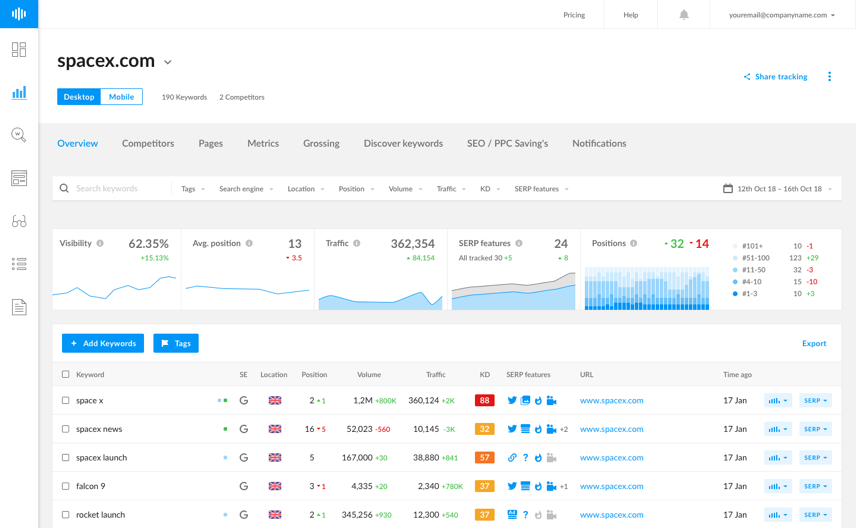
Ranktracker is an all-in-one SEO platform focused on:
- Keyword research
- SERP analysis
- Rank tracking
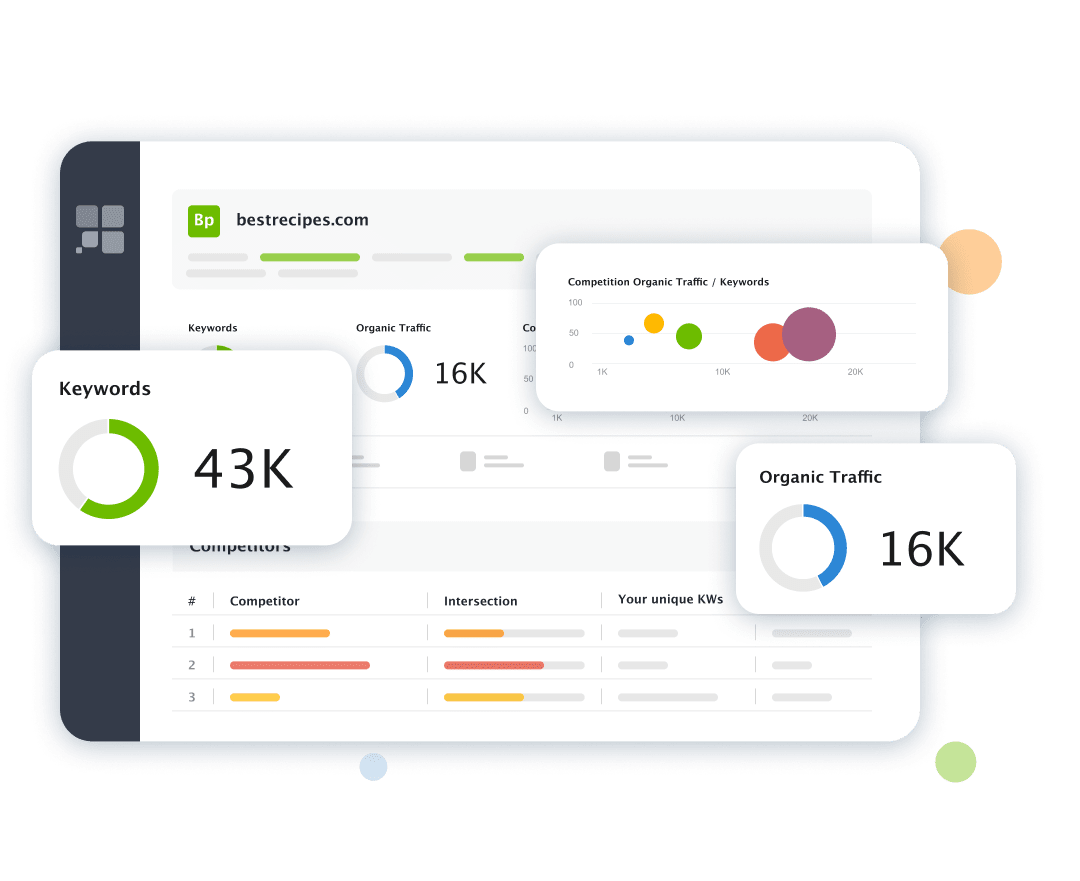
- Competitor insights
It is often chosen by freelancers and small businesses because of its lower price point and straightforward interface.
Ahrefs


4
Ahrefs is one of the most established SEO tools in the market. It is known for:
- Massive backlink database
- Advanced keyword research
- Site auditing
- Content gap analysis
Ahrefs is typically used by agencies, in-house SEO teams, and advanced marketers.
Feature Comparison
1. Keyword Research
Ranktracker
- Solid keyword suggestions
- Basic difficulty metrics
- Useful SERP overview
Ahrefs
- Industry-leading keyword database
- Click metrics (not just search volume)
- Advanced keyword difficulty calculations
- Parent topic clustering
Winner: Ahrefs
Ahrefs provides deeper data and more reliable keyword metrics.
2. Backlink Analysis
Ranktracker
- Backlink monitoring available
- Smaller link index
- Good for light competitor checks
Ahrefs
- One of the largest backlink databases in the industry
- Detailed referring domain data
- Anchor text distribution
- Link growth history
Winner: Ahrefs
If backlinks are central to your strategy, Ahrefs is significantly stronger.
3. Rank Tracking
Ranktracker
- Accurate daily rank tracking
- Easy competitor comparison
- Clean reporting
Ahrefs
- Reliable rank tracking
- Strong historical visibility graphs
- Integrated with broader SEO data
Winner: Tie
Ranktracker is highly focused on tracking and may feel simpler. Ahrefs integrates tracking into a broader SEO workflow.
4. Site Audit
Ranktracker
- Basic technical audit features
- Covers core SEO errors
Ahrefs
- Advanced technical SEO audits
- Detailed issue prioritization
- Internal linking analysis
- Core Web Vitals tracking
Winner: Ahrefs
Pricing Comparison
- Ranktracker: More budget-friendly. Suitable for solo founders and small teams.
- Ahrefs: Premium pricing. Designed for serious SEO operations.
If cost is a major factor, Ranktracker is attractive. If data depth matters more than price, Ahrefs justifies the higher cost.
Pros and Cons
Ranktracker Pros
- Lower cost
- Easy to use
- Strong rank tracking focus
- Suitable for beginners
Ranktracker Cons
- Smaller backlink index
- Less advanced keyword insights
Ahrefs Pros
- Best-in-class backlink database
- Powerful keyword research
- Advanced competitor analysis
- Deep technical SEO tools
Ahrefs Cons
- Expensive
- Learning curve for beginners
Ranktracker vs Ahrefs: Which Should You Choose?
Choose Ranktracker if:
- You are a freelancer or solo founder
- Budget is limited
- Rank tracking is your main need
Choose Ahrefs if:
- You run an agency or large SEO operation
- Backlink analysis is critical
- You need advanced competitive insights
- Data accuracy is non-negotiable
Final Verdict
When comparing ranktracker vs ahrefs, the decision comes down to depth vs affordability.
- Ahrefs offers more powerful data, especially for backlinks and keyword analysis.
- Ranktracker delivers solid core SEO functionality at a more accessible price.
For advanced SEO strategies and competitive markets, Ahrefs remains the stronger platform. For lean teams and simpler workflows, Ranktracker can be more than sufficient.